Articles
-
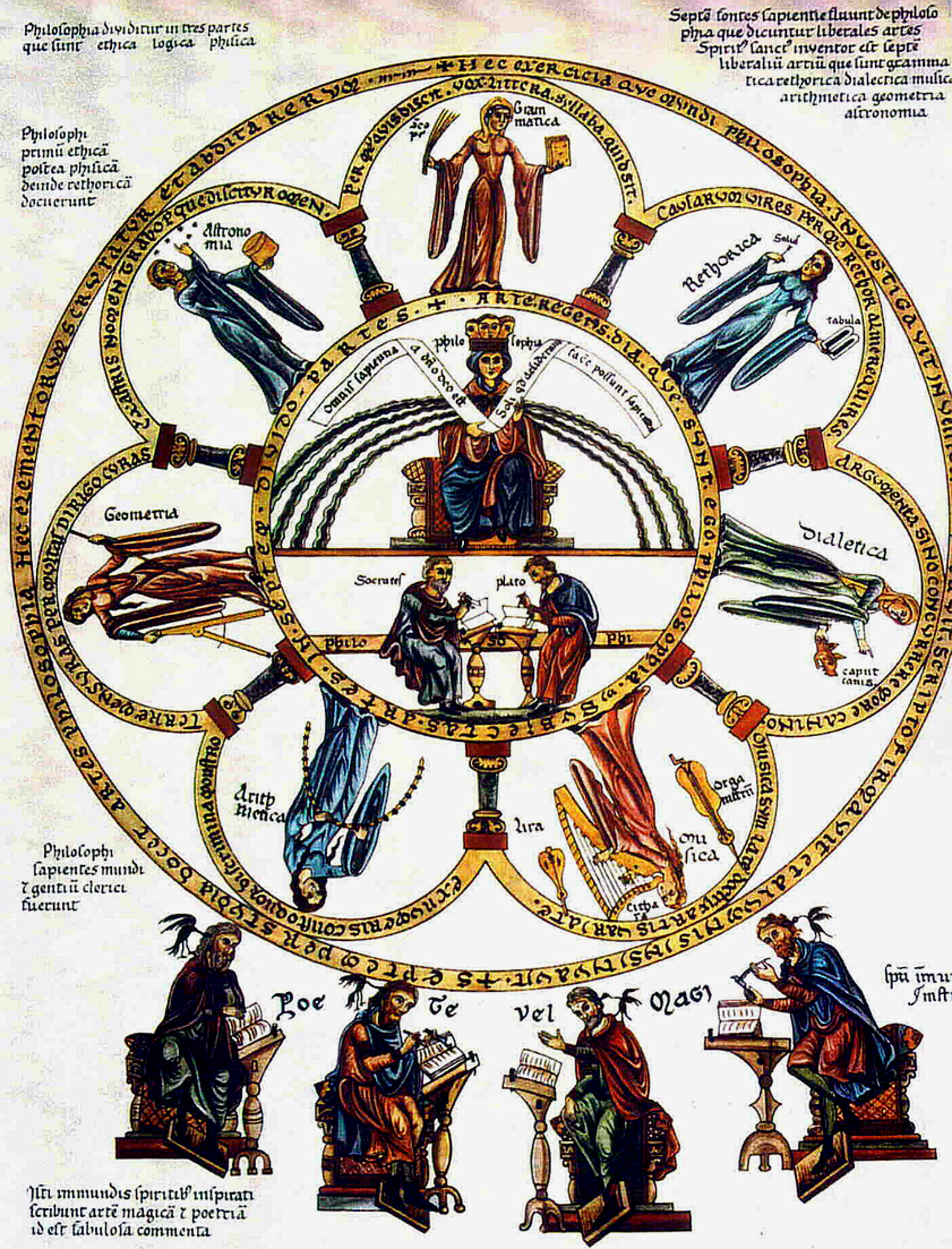
The Trivium, the Quadrivium and Freemasonry
Grammar, rhetoric, logic, arithmetic, geometry, music and astronomy: where the seven liberal arts came from, whether the Greeks taught them, and why Freemasonry gives them to the Fellowcraft.
-

The History of the Word “Blackball,” and Why Lodges Still Vote This Way
From Athenian bronze ballots to the Masonic lodge, the sourced history of the “black ball” and why one honest vote still matters.
-
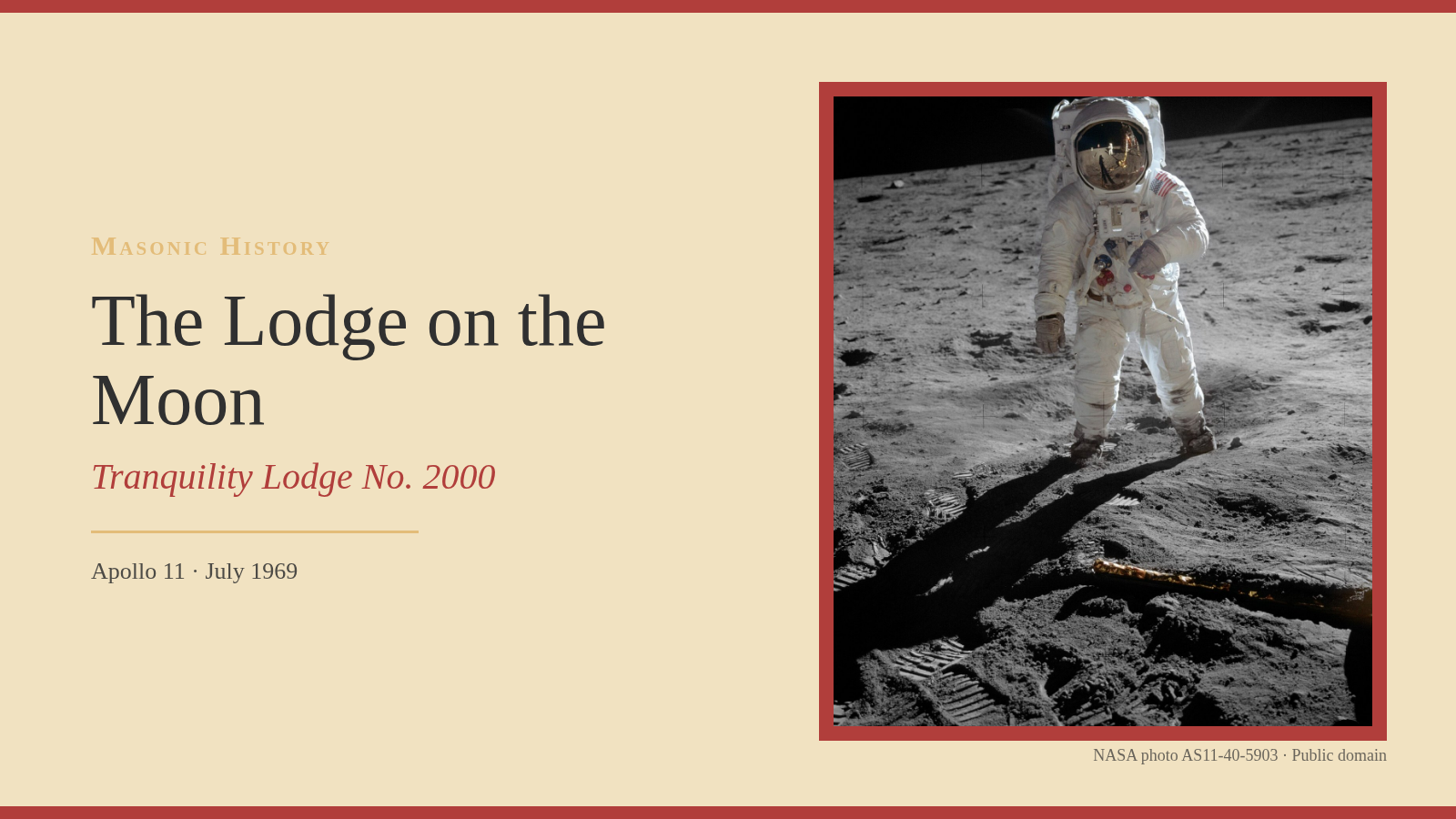
The Lodge on the Moon: Tranquility Lodge No. 2000
How a Texas Grand Master’s Special Deputation traveled to the Moon with Buzz Aldrin on Apollo 11, and the lodge whose seat, by Texas Masonic law, is still in the Sea of Tranquility.
-
One Day Masons
One-day classes that rush candidates through all three degrees have become a trend in some jurisdictions. These are personal thoughts against that shortcut, weighing extremes of principle rather than speaking for any Grand Lodge.
-
Anti-Masonry Throughout the Ages
Tyrannical governments have often tried to abolish Freemasonry. This short piece asks why free-thinking societies that seek the betterment of mankind make dictators so uneasy.
-
Die Zauberflute The Magic Flute: A Masonic Opera
Mozart’s Magic Flute is a Masonic opera full of contrasts, music, and lodge-shaped allegory. If you have never seen it, this warm recommendation invites you to enjoy the music and notice the Craft between the lines.
-
The forth point of Fellowship and the Closing Charge
The fourth point of fellowship asks us to vindicate a brother’s character when he is wrongfully traduced. This personal reflection sits with that charge after a hard season of contradictory accusations.
-
What is St. John’s Day?
Masonic lectures name two lodge patrons, St. John the Baptist and St. John the Evangelist, with feast days in June and December. Those mid-year markers still give lodges a reason to gather and remember.
-
Principles vs Politics:
Why did you join Freemasonry—for Truth, Relief, and Brotherly Love, or for titles? This piece asks whether principles or politics matter more once the apron is on.
-
Masonic Influences found in The Magic Flute (Die Zauberflote)
The Magic Flute is an opera of dichotomies: sun and night, solemnity and silliness. With Schikaneder’s text and Mozart’s music, it still rewards listeners who hear Freemasonry’s colors in the contrasts.