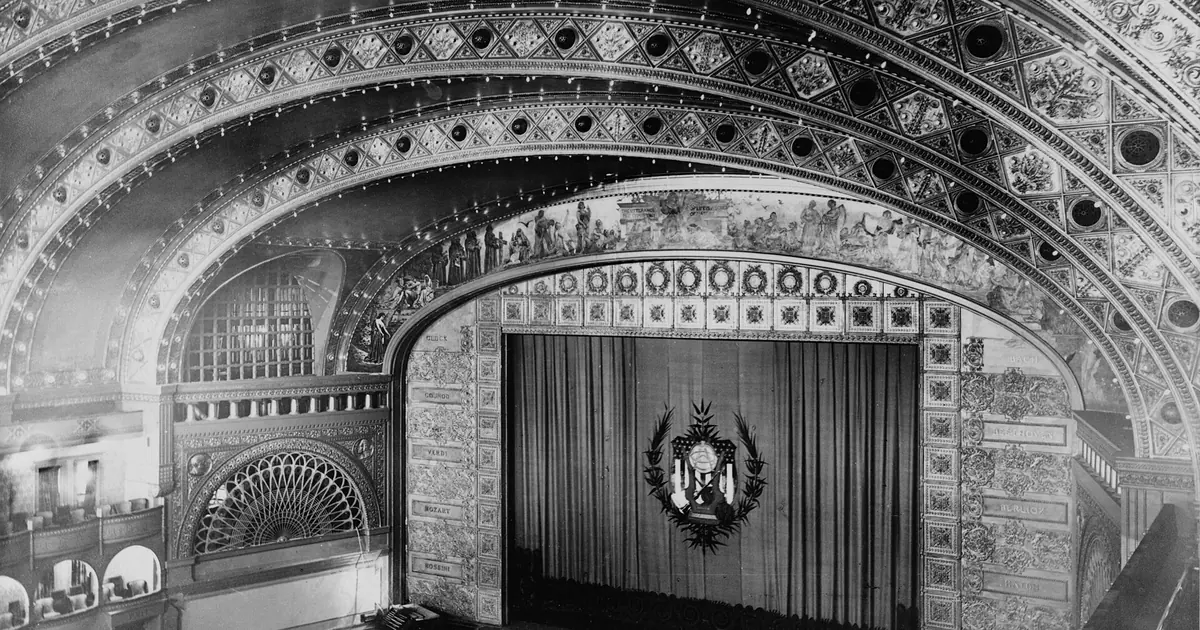
Few subjects make a lodge meeting go quiet faster than money. When the conversation turns to lodge degree fees, most brothers instinctively reach for the lowest number the bylaws allow, on the theory that a smaller fee opens the door wider. We think the question deserves a slower look. A fee is a price, but it is also a statement about what the lodge believes it is offering, and candidates hear that statement long before they hear anything else we have to say.
What Lodge Degree Fees Actually Buy a Candidate
Start with what a candidate receives, because it is easy to undercount. A degree is not a lecture he attends with a room full of strangers. It is conferred on him, and the brothers who confer it have prepared for weeks: officers learning and rehearsing their parts, a degree team gathered on a weeknight, the hall cleaned and set, a meal planned for afterward. For an hour or two, the whole evening is arranged around one man.
Then the degree ends and the larger investment begins. In many lodges a candidate works with a coach or mentor before he advances, and a brother gives up evenings to sit with him, answer his questions and help him learn what his jurisdiction expects. Those hours are rarely counted and never billed. Spread across three degrees and the months between them, the time given by a single lodge to a single candidate can easily run into dozens of hours from men who have jobs and families of their own.
We have written before about what it means to be made a Mason in What It Means to Be Made: A History of Initiation. The short version is that initiation is undergone, not watched. Whatever a lodge charges, it is charging for an experience built around the person paying.
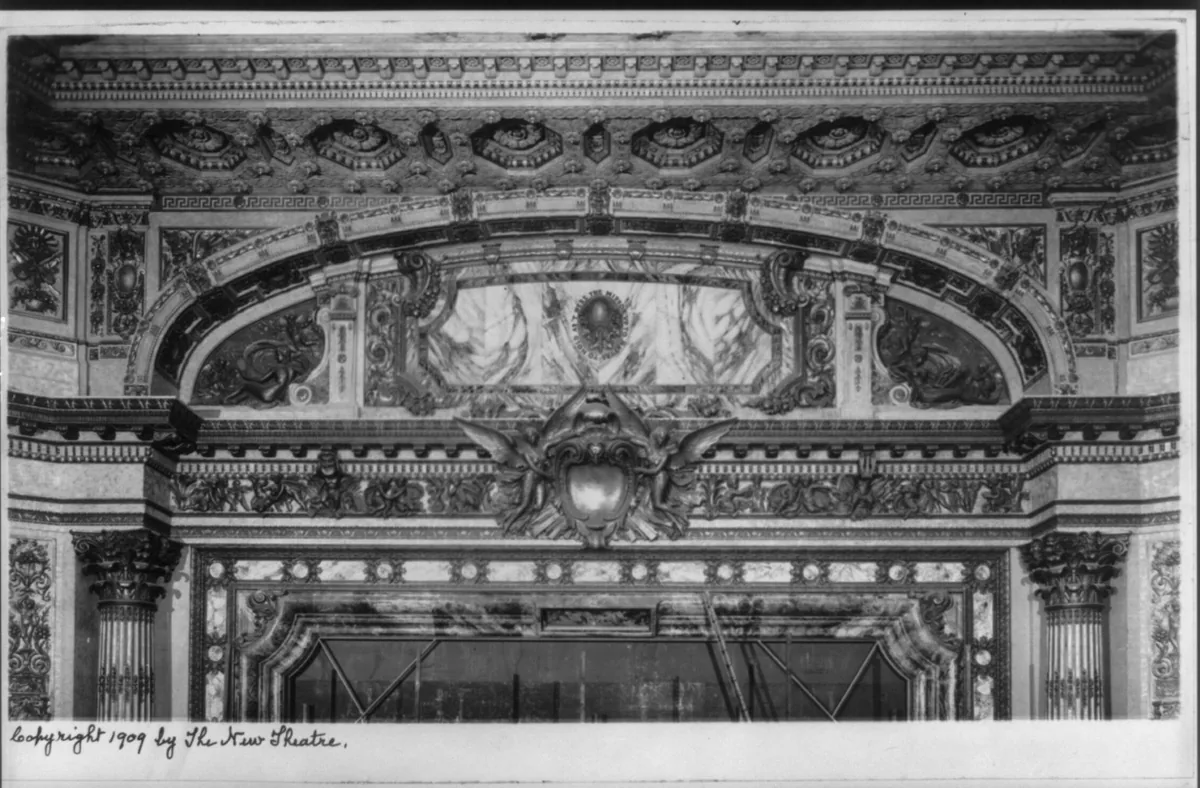

A Play Staged for an Audience of One
It helps to compare the degree with things people already pay for without hesitation. The Broadway League, the trade association for the Broadway industry, reports that the average paid admission for the 2025–2026 Broadway season was $131.09. That figure is total box-office gross divided by total attendance, so it already folds in discounted and complimentary seats. A couple seeing one show spends more than $260 before dinner or parking.
Concerts sit in the same range. Pollstar, which tracks the live-music business, found that the top 100 touring artists in North America in 2025 had an average ticket price of $134.23, and the worldwide average for the top 100 tours was $132.62. Those are tickets to sit among tens of thousands of other people and watch someone else perform.
Professional networking costs more still. The Society for Human Resource Management lists an individual in-person pass to its HR-X Live! conference in Chicago at $2,495 for members and $2,895 for nonmembers. That buys four days of speakers, sessions and introductions to colleagues in the same field.
Now set a degree beside those. By the League’s own season totals, a Broadway performance averages more than a thousand people in the seats. Pollstar counted an average of 19,104 tickets sold per show for the year’s top 100 tours. A conference attendee is one badge among thousands. A degree is a play staged for one person. The cast has rehearsed for him, the set is dressed for him, and when the curtain falls the company stays to help him understand what he has seen. Then those same men stand beside him for the rest of his life in the lodge. Few things money can buy are so personal.
The comparison is not an argument that a lodge should charge what a theater charges. It is a reminder that people routinely spend real money on an evening they will remember, and that a well-conferred degree belongs in that category.
The Quiet Message a Low Fee Sends
Price is information. When something is offered for almost nothing, people tend to assume it is worth almost nothing, whatever the seller intends. A fee set far below the cost of putting on the degree tells the candidate, without anyone saying a word, that the lodge does not think very highly of what it is about to give him.
Most brothers who argue for low fees do so out of generosity, and that instinct deserves respect. But generosity aimed at the wrong target can backfire. A man who has thought carefully about joining is not looking for a bargain. He is looking for something serious, and he is reading every signal the lodge sends to judge whether he has found it. A fee that reflects real effort is one of the clearest signals we have.
The same reasoning applies inside the lodge. Our post 5 Simple things you can do to Improve your Lodge puts finances first on the list for a reason. A lodge that undercharges for its degrees often ends up subsidizing them from dues, or cutting corners on the evening itself, and neither serves the candidate.
Candidates Choose a Lodge, Not a Price
It is tempting to think of fees competitively, as though a man will compare three lodges and join the cheapest. In practice that is rarely how it works. Men come to a lodge because a friend, father or coworker is a member, because they met brothers who impressed them, or because the lodge is close to home. Few of them ever learn what the lodge across town charges, and fewer still would choose on that basis.
What they do notice is the experience. Was the degree conferred with care? Did the officers know their work? Did anyone call afterward? Did the mentor show up? Those are the things a new Mason talks about with his family, and they are the things that decide whether he keeps coming back.
That is why we have been skeptical of shortcuts. In One Day Masons and As All Who Have Come this Way Before: Thoughts on One Day Classes, we argued that a candidate should receive the same full experience as every brother before him. A fee that honors the work and a degree that justifies the fee are two sides of the same commitment. If we ask a man to pay for something special, we owe him something special.

One Past Master’s Lodge and a Nearly 300 Percent Increase
One of our own Past Masters offers his lodge’s experience as a test of all this. His lodge raised its degree fees by nearly 300 percent. In his words, nobody flinched, and the lodge still grew exponentially.
One lodge’s experience is not a law of nature, and a fee alone does not make a lodge grow. But his account answers the fear that holds many lodges back: that a fee reflecting the real worth of the degrees will drive good men away. In his lodge it did not. The men who petitioned were paying for an experience, and the fee told them the lodge believed it had one to give.
Every Grand Lodge Sets Its Own Rules
None of this can be applied without first reading the rules that govern your lodge. Fees vary widely from one Grand Lodge to another, and from lodge to lodge within the same jurisdiction. Many lodges set their fees in their bylaws, subject to their Grand Lodge’s approval, and some Grand Lodges set a minimum fee that no lodge may go below.
The Grand Lodge of Maine is one example. Its Masonic Code provides that the fee for conferring the first three degrees “shall not be less than thirty dollars, including the fee to the Grand Lodge,” and it forbids lodges to take notes for fees, grant credit for them or remit them. Other jurisdictions handle the same questions differently, and some say nothing about a minimum at all. Before any lodge proposes a change, its officers should read their own Grand Lodge’s code and talk with their District Deputy or Grand Secretary about what is permitted.
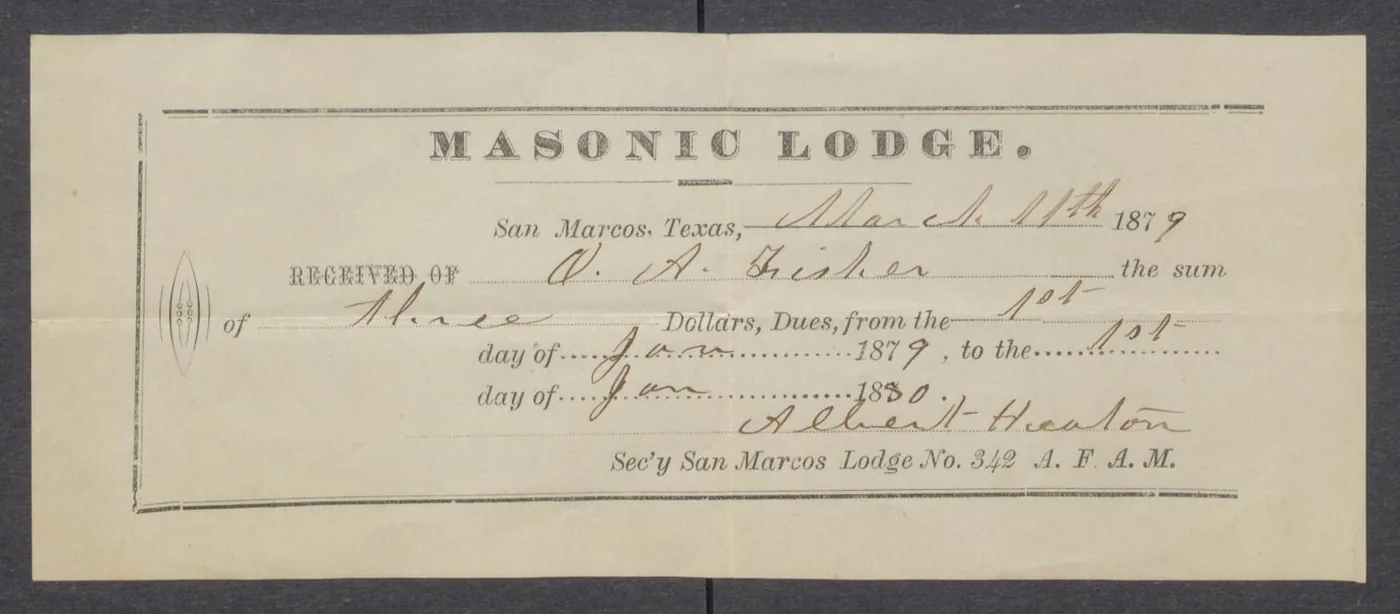

When a Good Man Cannot Pay
There are real reasons some lodges keep their fees low, and they deserve a fair hearing. In some towns wages are modest and the lodge has always been a place where working men could belong. Some lodges are well endowed and simply do not need the income. Some brothers remember joining when money was tight and want the door open for the next young man in the same position. None of these are signs of a lodge that does not value its work.
The answer to hardship, though, is not to lower the price for everyone. A lodge that sets a fee reflecting the true worth of the degrees can still look after a good man who cannot meet it, through whatever means its Grand Lodge allows. In some jurisdictions that may mean a payment arrangement or quiet help from brothers who are able to give; in others, like Maine, the rules on fees are strict, and help has to come through other channels the Grand Lodge permits. Whatever form it takes, it should be done discreetly, so that no candidate ever feels he was admitted at a discount.
Relief has always been one of our principles. Applying it one man at a time, quietly, honors both the candidate and the work in a way that a low price for everyone cannot.
Earning the Fee on Degree Night
A higher fee is a promise, and a promise has to be kept. If a lodge decides that its degrees are worth more than it has been charging, the first obligation falls on the brothers, not the candidate. That means officers who know their parts, a hall that looks cared for, a degree conferred without rushing, a meal afterward where the new brother is the guest of honor, and a mentor who calls the next week and keeps calling.
It also means being honest about where the money goes. Candidates and members alike will accept a meaningful fee more readily when they can see it at work in better degree nights, education and fellowship. Value comes first. The fee should follow the value, never the other way around.
Handled that way, a fee stops being a toll at the door and becomes the first thing a candidate learns about his new lodge: that it takes him seriously, and expects him to take it seriously in return.
Sources
- The Broadway League, “Broadway’s 2025–2026 Season Wraps with 14.6 Million Attendances and Grosses of $1.91 Billion” (May 27, 2026).
- The Broadway League, “Broadway Season Statistics in Detail, 2025–2026.”
- Bob Allen, “Pollstar 2025 Year End Business Analysis—A Return To Earth,” Pollstar (December 23, 2025).
- Society for Human Resource Management, “Attend HR-X Live! In Person in Chicago.”
- Grand Lodge of Maine, “Masonic Code,” Section 115, Minimum Fee for Degrees.
If your lodge charged what its degrees are truly worth, what would you need to change about degree night to deserve it?
One response to “What Our Degree Fees Say About the Night We Give a Candidate”
[…] I wrote more about what a degree is worth, and what the fee says to a candidate, in What Our Degree Fees Say About the Night We Give a Candidate. […]